










































Daily Scaffold Inspection Checklist

Daily Scaffold Inspection Checklist
This is a complete, ready-to-use solution for a daily scaffold inspection checklist, optimized for safety compliance (primarily based on OSHA 29 CFR 1926.451 and global best practices). It applies worldwide, including in India under the Building and Other Construction Workers (BOCW) Act, Factories Act, and DG FASLI guidelines — where daily inspections by a competent person are mandatory.
Recommended Digital Features (for Mobile/Web App or Form Builder)
Make the checklist practical for field use with these features:
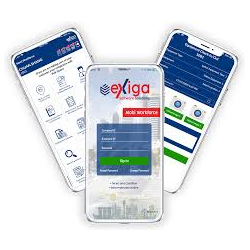
- Mobile-first & Offline Mode — Works on phones/tablets; auto-syncs when online.
- Scaffold Tagging & QR/NFC Scanning — Assign unique Scaffold ID; scan to load history and auto-populate details.
- Auto-Fill — Date, time, GPS location, weather (via device), inspector name (from login).
- Structured Checklist — Categorized sections with Yes/No/NA checkboxes.
- Evidence Capture — Mandatory photo upload + notes for any “No” or defect; annotate photos.
- Tagging System — One-tap “Safe to Use” (Green tag) or “Do Not Use” (Red tag) with reason; auto-notifies supervisor.
- Corrective Actions — Assign tasks, deadlines, and responsible persons; track until closed.
- Electronic Signature — Inspector + supervisor approval.
- Report Generation — Instant PDF/Excel with photos, summary score, and audit trail.
- History & Analytics — View past inspections per scaffold/project; dashboards for overdue inspections, common defects, compliance rate.
- Reminders & Notifications — Daily push alerts before shift start; escalation for unresolved defects.
- Role-Based Access — Inspector, Supervisor, Safety Officer views.
- Compliance & Training Link — Flag if inspector’s competency/training is expired; reference standards (OSHA, local).
- Additional Nice-to-Haves — Multilingual (English + Hindi/regional), voice-to-text notes, integration with project management tools (e.g., safety management software).
These features turn a static checklist into a proactive safety tool that reduces errors, ensures traceability, and supports audits.
Checklist Content (Core Inspection Items)
General / Pre-Use
- Has the scaffold been inspected before this work shift and after any event that could affect integrity (e.g., weather, modification)?
- Scaffold tag is present, legible, and properly dated/signed (Green = Safe, Red = Unsafe)?
- Scaffold erected and used per manufacturer’s instructions and under direction of a competent/qualified person?
- All employees on/near scaffold wearing hard hats and required PPE?
- Scaffold components free from visible damage, corrosion, cracks, bends, or unauthorized modifications?
- Scaffold can support at least 4 times the maximum intended load (including workers, tools, materials)?
Foundation & Base
- Footings are sound, rigid, level, and on stable ground (no soft soil, mud, ice, or frozen ground that could thaw)?
- Proper base plates, mud sills, or sole boards used (no blocks, bricks, or unstable objects)?
- Screw jacks or leveling devices used correctly and in firm contact with sills/frames?
- For mobile scaffolds: wheels/casters locked, stems pinned/secured, and outriggers installed if required?
Structure & Stability
- All frames, uprights, legs, and braces are plumb, level, and properly connected (pins, couplers, locks secure)?
- Cross braces and diagonal braces properly installed and attached?
- For scaffolds >4:1 height-to-base ratio: properly guyed, tied, or braced to prevent tipping?
- Ties, guys, and braces installed at required intervals and per manufacturer/design?
Platforms & Decking
- Platforms fully planked or decked from front to back and side to side (no gaps >1 inch)?
- Planks are sound (no cracks, splits, warps, or defects), properly supported, and overlapped minimum 12 inches (or secured/cleated)?
- Platform width minimum 18 inches (12 inches for pump jacks)?
- Planks do not extend more than 12 inches beyond supports?
- Work platform free of debris, tools, materials, mud, snow, oil, or tripping hazards?
Guardrails, Toeboards & Fall Protection
- Guardrails (top rail 38–45 inches high, midrail) and toeboards installed on all open sides/ends where fall hazard >10 ft (or local requirement)?
- Guardrail posts and connections secure?
- Personal fall arrest system available and used when guardrails are removed or for specific tasks?
- Falling object protection (toeboards, debris nets, canopies) in place where needed?
Access & Egress
- Safe means of access provided (ladders, stairs, ramps) — no climbing on crossbraces?
- Ladder rungs aligned, first rung ≤24 inches from ground, extends ≥3 ft above landing?
- Access point within 14 inches horizontally of the platform (or 3 ft for outriggers)?
- No more than 2 ft step-up/step-down to platform?
Electrical & Environmental
- Minimum clearance from power lines maintained (10 ft for <50 kV; more for higher voltages)?
- No work during high winds, rain, snow, or icy conditions that affect safety?
- Scaffold clear of overhead hazards, openings, or doorways that could create risks?
Housekeeping & Use
- Loads kept to minimum; heavy materials/tools hoisted (not carried up by hand)?
- Employees removed from scaffold before moving or in bad weather?
- No makeshift repairs or incompatible components used?
Implementation Tips
- Frequency — Before each work shift + after any occurrence (weather, modification, incident).
- Competent Person — Trained and authorized to identify hazards and take corrective action.
- Action on Defects — Immediately tag “Unsafe,” remove from service, and correct before reuse.
- Record Keeping — Retain for at least the project duration (or per local law).

