










































Oil and Gas Scaffold Inspection

An oil and gas scaffold inspection system is a specialized digital or integrated solution tailored for high-risk, high-stakes environments like offshore platforms, onshore refineries, petrochemical plants, pipelines, LNG facilities, and upstream/downstream operations. These systems address unique challenges such as explosive atmospheres (ATEX/IECEx compliance where needed), corrosive conditions from hydrocarbons/chemicals, extreme weather, confined spaces, and strict regulatory demands (e.g., OSHA 1926 Subpart L in the US, India’s Factories Act/BOCW Rules, or international standards like API/ISO for oil & gas). Inspections are more frequent and rigorous—often daily pre-shift by competent persons, weekly for standing scaffolds, post-modification, and after events like high winds or seismic activity—to prevent falls, structural failures, or ignition risks that could lead to catastrophic incidents. They emphasize fire-resistant materials (e.g., steel over wood/aluminum in zoned areas), no small-part drop hazards (e.g., gap-filled decks), cleaned scaffold components to avoid contamination, and integration with permit-to-work (PTW) systems, lockout/tagout (LOTO), and turnaround/shutdown (TAR) planning.
Key features optimized for oil and gas include:
- Hazard-specific checklists covering foundation stability on uneven/flammable ground, corrosion resistance, secure ties/guys in high-wind zones, electrical clearances (≥10 ft from lines), and explosion-proof tagging.
- Advanced tagging with durable, chemical-resistant QR/NFC/RFID tags (green/safe, yellow/caution, red/unsafe) that withstand harsh conditions; digital scafftags replace physical ones for instant status visibility and history.
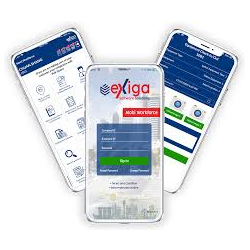
- Mobile/offline apps with photo/video annotations, GPS tagging for remote/large sites (e.g., offshore rigs or sprawling refineries), digital signatures, and real-time escalation to supervisors or EHS teams.
- Compliance and audit trails for regulatory bodies (e.g., OSHA, OISD in India, or local oil & gas authorities in Telangana/Hyderabad’s pharma/oil corridors), including automated reports, historical logs, overdue alerts, and linkage to asset management or TAR scheduling.
- Integration with broader EHS/PTW platforms, inventory tracking (to avoid idle scaffolds in hazardous zones), and analytics for risk trends, utilization, and cost control (scaffolding can cost $250K–$500K+ annually per unit in refineries).
- Safety enhancements like automated hazard flagging, photo evidence for defects (e.g., rust, bent members), and support for rope access alternatives in some cases to minimize scaffold needs.
Scaffolding in the oil and gas sector isn’t just about reaching high places; it’s about maintaining structural integrity in highly volatile, corrosive, and high-pressure environments. Whether it’s an offshore rig or an onshore refinery, the inspection process must be rigorous.
Here is a breakdown of the essential content and features for a comprehensive oil and gas scaffold inspection system.
🏗️ Core Inspection Content
An effective inspection checklist needs to cover the “Big Three”: Foundation, Structure, and Safety Access.
1. Environmental & Structural Integrity
Corrosion Assessment: Checking for “rust bleed” or pitting on steel components caused by salt spray or chemical exposure.
Foundation/Base Plates: Ensuring mud sills are stable on grating or soil and that base plates are centered.
Load Rating: Verification that the scaffold is built to the specific duty (Light, Medium, or Heavy) required for the tools and pipes being serviced.
2. Standard Safety Components
The “Green Tag” System: A physical tag must be signed and dated every 7 days (or after any weather event/alteration).
Guardrails: Top rails at ~1 meter and mid-rails to prevent falls.
Toe Boards: Essential in O&G to prevent tools from falling onto lower-level high-pressure lines or personnel.
3. Connection & Bracing
Coupler Torque: Ensuring right-angle and swivel couplers are tightened to the correct specification.
Bracing (Face & Ledger): Checking for diagonal bracing to prevent “sway” or racking of the structure.

