










































Scaffold Inspection System

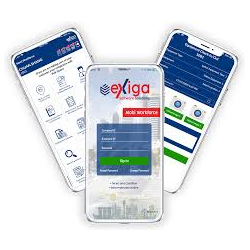
A Scaffold Inspection System is a digital solution (typically a mobile + web app) designed to help construction teams, safety officers, and scaffold managers perform compliant, efficient, and documented inspections of scaffolding structures. It replaces paper-based checklists and tags with a modern, traceable system that improves safety, ensures regulatory compliance (e.g., OSHA 1926.451, similar EN/UK standards), reduces administrative work, and provides real-time visibility.
Core Purpose
- Conduct daily/periodic scaffold inspections by competent persons
- Identify defects or hazards before each shift or after events affecting integrity
- Tag scaffolds visually (green = safe, yellow = caution/restricted, red = unsafe/do not use)
- Generate auditable records, reports, and alerts to prevent accidents
Key Features of a Modern Scaffold Inspection System
- Mobile-First Inspection Checklist
- Customizable digital checklists based on OSHA/EN requirements
- Step-by-step guidance with pass/fail/NA options, mandatory fields, and conditional logic
- Offline mode for remote sites with auto-sync when online
- Photo & Video Documentation
- Attach timestamped geotagged photos/videos directly to checklist items
- Annotate images to highlight defects (cracks, missing guardrails, etc.)
- Before/after evidence for corrections
- Scaffold Tagging & QR/NFC Scanning
- Generate digital scafftags (green/yellow/red) with unique IDs
- QR code or NFC tags on physical scaffolds for instant status lookup via mobile scan
- Automatic status-based access control alerts (e.g., red tag = lockout)
- Real-Time Dashboards & Analytics
- Overview of all scaffolds: active, overdue inspections, pass/fail rates
- Project/site-wise filtering, compliance trends, inspector performance
- Heatmaps or charts showing high-risk areas or recurring issues
- Automated Reminders & Notifications
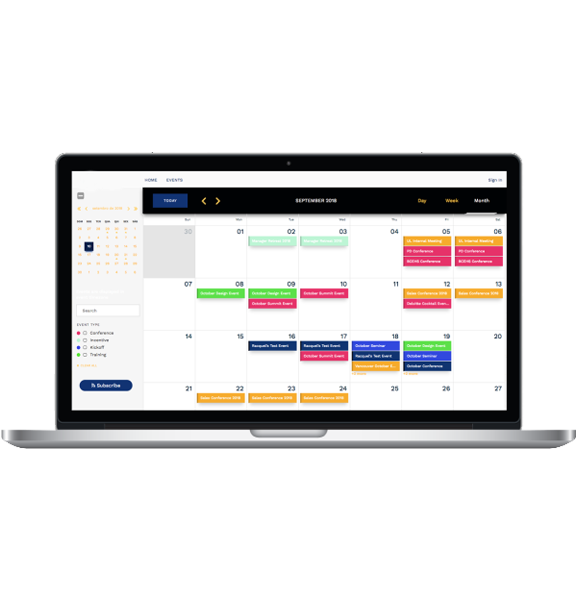
- Schedule recurring inspections (daily, weekly, post-event)
- Push/email alerts for overdue inspections, red tags, or unresolved issues
- Escalation workflows to supervisors/managers
- Compliance & Audit Trail
- Full history log per scaffold: who inspected, when, what was found, actions taken
- Digital signatures and timestamps for accountability
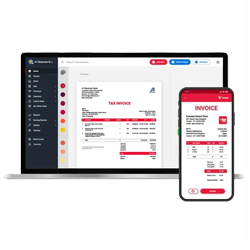
- Exportable PDF/HTML reports for audits, insurance, or regulatory bodies
- User & Role Management
- Roles: Inspector, Supervisor, Safety Manager, Admin
- Training records linkage or competency verification
- Multi-project / multi-company support
- Advanced Add-ons (in premium systems)
- AI-based defect detection from photos
- Integration with project management tools (Procore, etc.)
- Weather/high-wind alerts tied to inspection requirements
- Load capacity calculator or basic structural flags
Typical Scaffold Inspection Checklist Items (Core Content)
These align with OSHA 1926.451 and common global standards:
Foundation & Base
- Firm, level foundation with base plates/mud sills
- No settling or undermining
- Proper screw jacks / adjustable bases if needed
Structure & Stability
- Plumb and level (no excessive sway)
- All components free of damage (bends, cracks, corrosion)
- Adequate bracing, cross-bracing, guying/tying (height-to-base >4:1 needs restraint)
- Secure connections (couplers, clamps)
Platforms & Decking
- Fully planked/decked with no gaps >1 inch
- Planks extend 6–12 inches past supports (or cleated)
- No damaged/worn planks, proper grade/material
- Platforms fully supported, no overhang hazards
Access & Egress
- Safe ladders, stair towers, or ramps provided
- No climbing scaffold frames
- Access points clear and guarded
Fall Protection
- Guardrails on open sides/ends (top rail 38–45 inches, midrail)
- Cross-bracing as top/midrail meets height rules
- Toeboards where falling objects risk exists
- Personal fall arrest systems where required
Other Critical Checks
- No excessive loading beyond rated capacity
- Clear of power lines/electrical hazards
- Weather protection if applicable
- Housekeeping (no debris/tools on platforms)
- Inspection tag visible and current
Example System Workflow
- Inspector scans QR tag → loads scaffold record
- Completes digital checklist + photos
- System auto-assigns status (green/yellow/red)
- Issues digital tag + notifications
- Supervisor reviews/resolves issues
- Data syncs to cloud dashboard for reporting
This type of system significantly reduces missed inspections, improves traceability, and helps demonstrate due diligence in case of incidents.

