












































Scaffold Inspection HSE Standards

Scaffold Inspection HSE Standards primarily refer to the Health and Safety Executive (HSE) guidelines in the UK, which form the core framework for scaffolding safety under the Work at Height Regulations 2005 (Regulation 12). These standards require regular inspections by a competent person to identify defects, ensure structural stability, and prevent falls—a leading cause of construction injuries and fatalities. HSE standards are widely referenced globally as best practices, with similar requirements in Singapore under the Workplace Safety and Health (Scaffolds) Regulations 2011 (MOM/WSH), which mandate inspections every 7 days or less, post-erection, and after adverse events.
As of 2025–2026, no major changes have altered the core HSE inspection requirements (still based on Work at Height Regulations 2005 and NASC guidance like SG4:22/TG20:21), though emphasis continues on digital records, competent training (e.g., CISRS), and proactive defect management.
Key HSE (UK) Scaffold Inspection Requirements
Scaffolds must be inspected in these scenarios:
- After installation/before first use — Including after substantial alterations or handover.
- At intervals not exceeding 7 days — While the scaffold remains in use.
- After any event that could jeopardise safety — Such as high winds, heavy rain, impacts, modifications, or adverse weather.
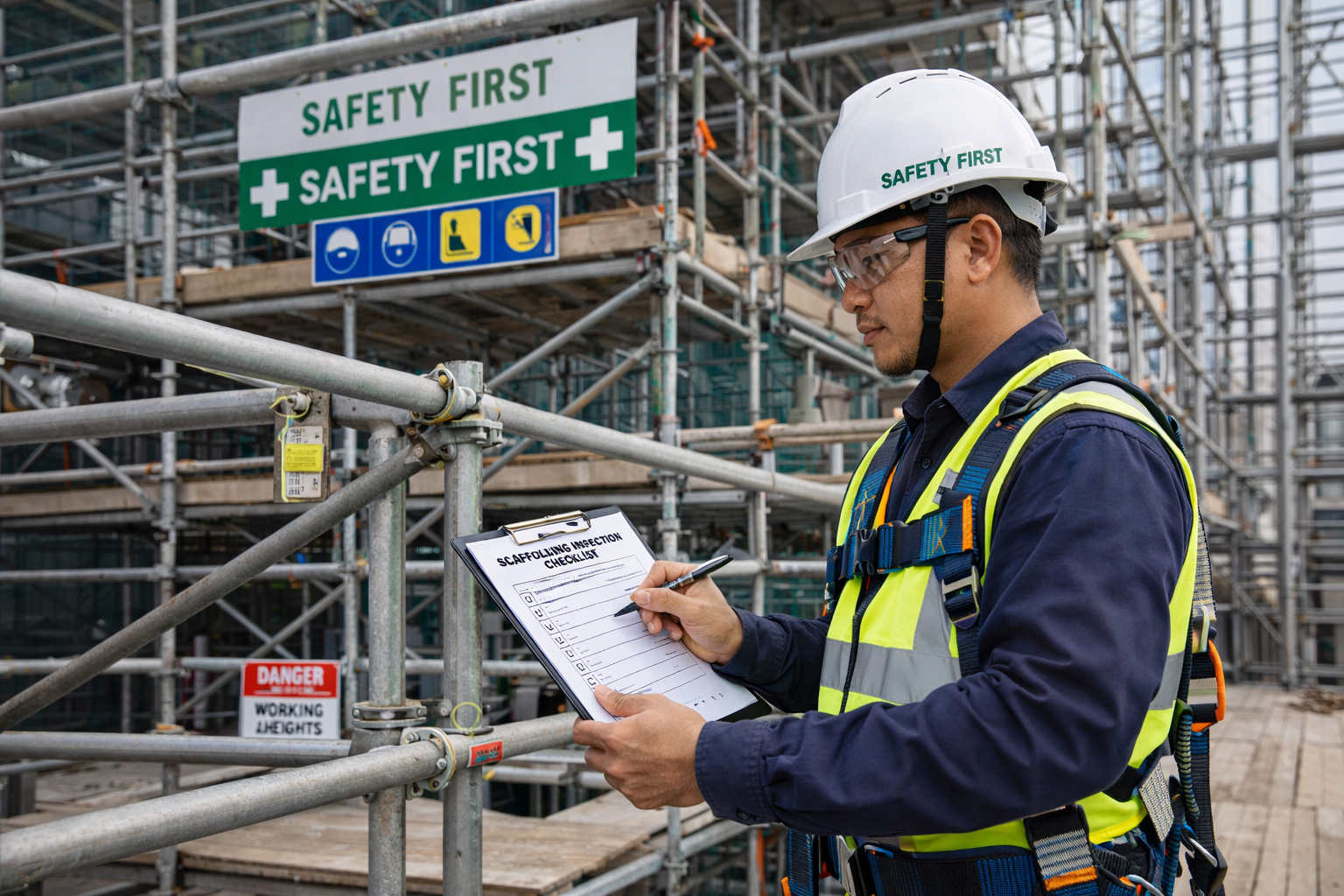
Inspections must be carried out by a competent person—defined as someone with appropriate knowledge, training (often CISRS Scaffold Inspection qualification), and experience for the scaffold type (e.g., tube-and-fitting or system scaffolds). The inspection is visual and thorough, covering all visible components.
What Must Be Checked (Core Inspection Scope)
A competent person examines:
- Foundation/Base — Level, stable ground; proper sole plates/mud sills; base plates secure; no settlement or undermining.
- Standards/Uprights — Plumb, aligned, undamaged (no bends/cracks).
- Ledgers, Transoms, & Bracing — Secure couplings, correct spacing, no defects; sufficient diagonal/facade bracing.
- Ties/Anchors — Adequate and secure to the structure.
- Platforms/Decks — Fully boarded (no large gaps), secure, adequate width (typically ≥600mm), correct loading class, no defective boards.
- Guardrails, Midrails, & Toeboards — Present on open edges; guardrail height 950–1,200mm; toeboard ≥150mm high; secure and intact.
- Access — Safe ladders/stairs, properly secured; no improvised means.
- Couplers/Fasteners — Tight, correct type, no corrosion/damage.
- Loading & Signage — Not overloaded; duty rating displayed.
- General — No unauthorised changes, clear of debris, safe for use.
Documentation & Reporting
- A written report must be produced immediately (or as soon as practicable) after each inspection.
- It must include: Inspector’s name/position, date/time/location, scaffold description, defects noted, corrective actions (even if prompt), and confirmation of safety.
- Records kept on site (or accessible electronically) until the scaffold is dismantled.
- Tag systems (e.g., green = safe, yellow = caution, red = unsafe) are not legally mandatory but strongly recommended by HSE as a visible supplement to reports—helping ensure users know the scaffold is safe and recently inspected.
Singapore WSH/MOM Alignment (for Local Context)
Singapore’s regulations closely mirror HSE:
- Inspections by trained scaffold supervisor upon completion, ≤every 7 days, and after weather/events.
- Results recorded in a register before use (for scaffolds with >2m fall risk).
- Emphasis on Approved Scaffold Contractors (ASC) for certain works and PE endorsement for complex/high scaffolds.
- Focus on SS 280 material standards and risk assessments.
Non-compliance in either jurisdiction risks fines, stop-work orders, or prosecution.
How Digital Tools Support HSE Compliance
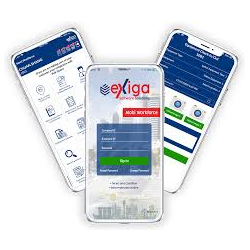
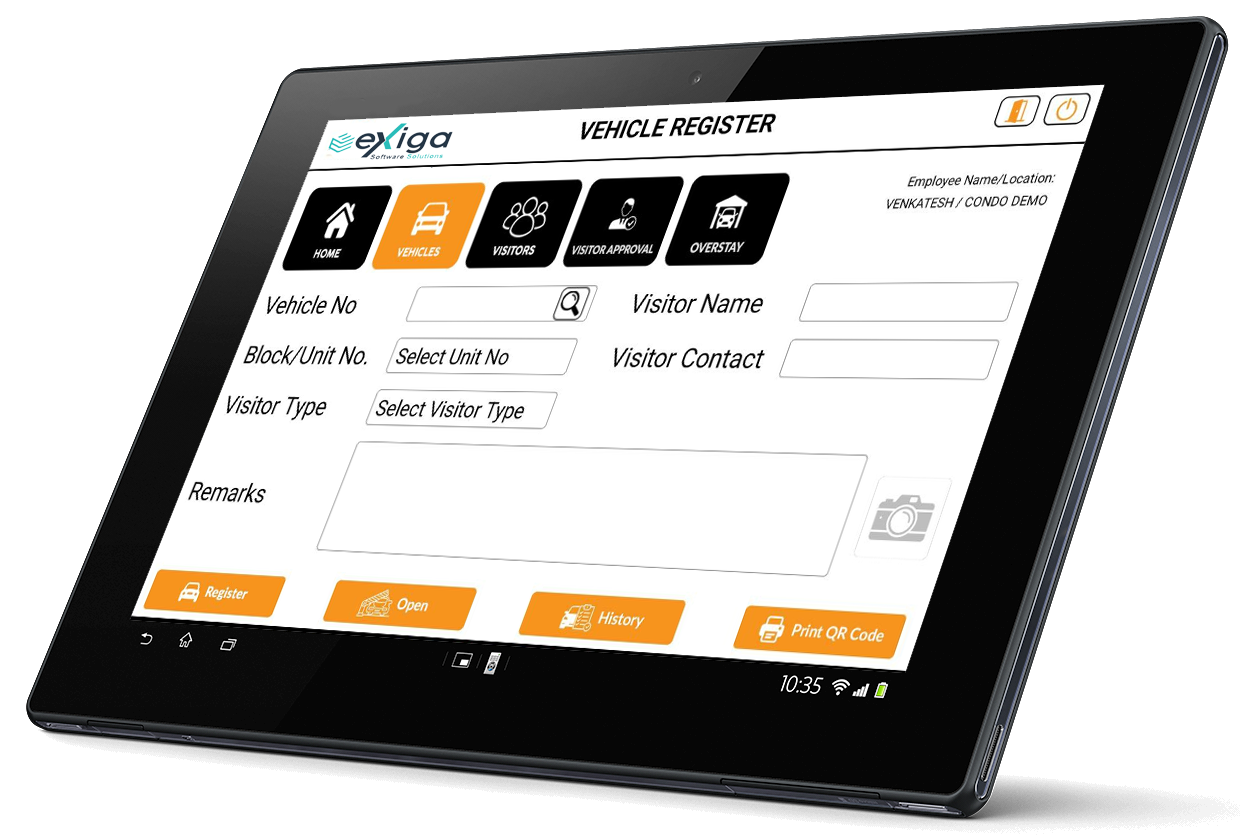
Modern scaffold inspection software (QR code-based or mobile apps) automates these standards:
- HSE/WSH-aligned checklists for all required checks.
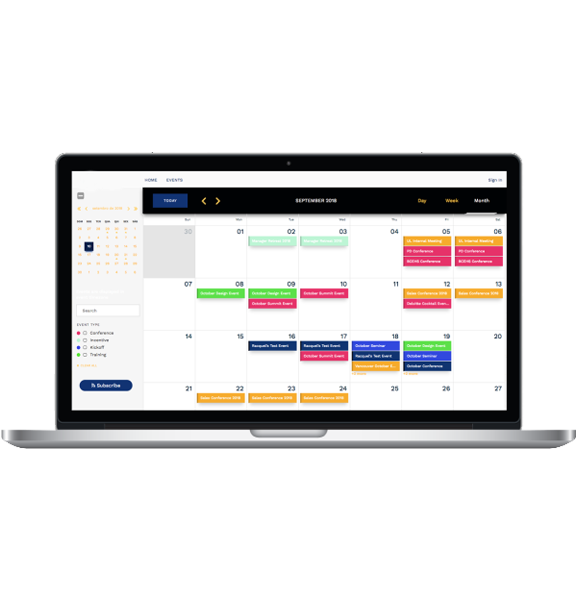
- Automated 7-day reminders and event-triggered inspections.
- Photo/video evidence with annotations for defects.
- Digital tagging and real-time dashboards for status visibility.
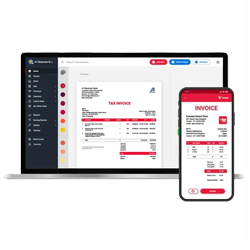
- Instant reports with timestamps/signatures for audits.
- Corrective action assignment and tracking.
Exiga Software Solutions provides HSE tools (including scaffold safety features) that align with these standards—mobile checklists, QR/NFC scanning, defect logging, alerts, and compliant reporting—perfect for Singapore sites while supporting global HSE best practices.

